


Traditional Cotton Weaving Plants across Villages in Bidar, Karnataka by 2028-29
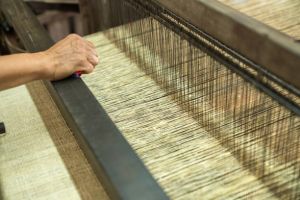
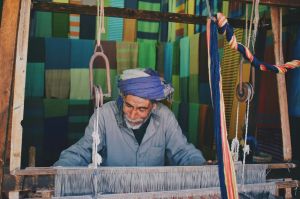
hrough mass and public fundraising, we aim to empower our Women’s Weavers collective to set up 10 Traditional Cotton Weaving cottage units across villages in Bidar, Karnataka by 2028. The Youth Not in Employment, Education or Training (NEET) – led collective, comprising local women who have access to at most 50-60 days of annual employment under MGNREGA, will be provided weaving skills in collaboration with consultancies and leveraging government skill-building schemes like Pradhan Mantri Kaushal Vikas Yojna (PMKVY), and PM Vishwakarma. This is expected to lead to a 500%-600% hike in annual income for our beneficiaries.
The proposed Youth NEET leaders will undergo rigorous capacity-building training to become focal points for community-based advocacy and skill development programs. We plan to fully operationalize our organic, handspun cotton fabric plant in Kitta Village in Basavakalyan, Bidar, Karnataka by January 2024. Our Khadi-certified fabric is made from 100% locally sourced organic cotton. By June 2024, we are looking at a total production capacity of 900 metres/ day.
Strategies
- Mass Fundraising Campaign: Initiate and execute a targeted mass fundraising campaign to gather the necessary financial resources for setting up 10 Traditional Cotton Weaving plants.
- Empowerment of Women’s Weavers Collective: Provide comprehensive training and support to the Women’s Weavers collective to enable them to initiate and manage the weaving plants effectively.
- Collaboration with Consultancies and Skill-building Schemes: Partner with consultancies and leverage government skill-building schemes like Pradhan Mantri Kaushal Vikas Yojna (PMKVY) and PM Vishwakarma to provide specialized weaving skills to local women.
- Empowering Youth NEET Leaders: Identify and train Youth NEET leaders to take on leadership roles within the collective. Provide them with the necessary skills and knowledge to advocate for the community’s development and to lead skill development programs.
- Capacity-building Training for Youth NEET Leaders: Conduct rigorous capacity-building training programs for the identified Youth NEET leaders. Equip them with the skills required for effective leadership, advocacy, and program facilitation.
- Full Operationalization of Cotton Fabric Plant in Kitta Village: Ensure the successful setup and full operationalization of the organic, handspun cotton fabric plant in Kitta Village, Basavakalyan, Bidar, Karnataka by January 2024.
- Production Capacity Scaling: Scale up the production capacity of the fabric plant to reach a total production capacity of 900 meters per day by June 2024.
- Local Sourcing and Organic Cotton Promotion: Promote the use of locally sourced organic cotton, emphasizing sustainability and supporting local farmers.
- Income Hike for Beneficiaries: Track and measure the increase in annual income for beneficiaries resulting from their involvement in the weaving plants. Aim for a 500%-600% hike.
Nurturing a Cow-Based Economy across 10 Villages in Bidar by 2028-29
The indigenous cow is at the centre of our vision for an organic rural economy. The environmental, spiritual, and economic benefits of the cow enable our vision of Sashakta Grams. Through intense skill-building and training drives across villages, we aim to transfer skills for leveraging cow products in increasing crop yield, and augmenting farm income – through processing cow dung and gaumutra into building bricks, plaster, paper, decorative items, fertilizers, and standardized panchagavya health supplements.
The skills and awareness around a cow-based lifestyle will be promoted through advertisements, advocacy programs, and community engagement in villages and cities of Northern Karnataka and Andhra Pradesh. Under our skilling program, we also offer training in Vedic Ghee-Making along with the provision of cows to marginal farmers under our Gaupalan training program. We aim to develop one model village in Bidar by 2028-29, where we can promote a self-sustaining model of a cow-based economy in Kitta, Basvakalyan, Bidar- while connecting cow-based communities across villages and towns of Northern Karnataka for collaboration and skill-sharing. 70% of marginal farmers in Kitta Village will move from inorganic farming to organic cow-based farming. A parallel ecosystem will be nurtured in the neighboring villages and towns to promote a cow-based lifestyle.
Strategies
- Intense Skill-building and Training Drives: Conduct comprehensive training programs aimed at equipping individuals with the necessary skills to leverage cow products effectively. This includes hands-on training in processing cow dung, gaumutra, and other by-products.
- Transfer Skills for Leveraging Cow Products: Implement a structured approach to transferring skills and knowledge related to cow-based farming and product utilization. This involves providing practical training, workshops, and educational resources.
- Promote Awareness of a Cow-Based Lifestyle: Utilize various communication channels, such as advertisements, workshops, and community engagement events, to raise awareness about the benefits and practices of a cow-based lifestyle. Emphasize the environmental, spiritual, and economic advantages.
- Advertisements, Advocacy Programs, and Community Engagement: Launch targeted advertising campaigns, organize advocacy programs, and actively engage with communities in both villages and cities of Northern Karnataka and Andhra Pradesh. These efforts will help promote the adoption of a cow-centric way of life.
- Skilling Program and Gaupalan Training: Establish a structured skilling program that covers a range of areas related to the cow-based economy, including processing techniques, Ghee-making, and Gaupalan. Provide hands-on training and certifications.
- Develop One Model Village in Bidar: Focus on establishing a flagship model village in Bidar that showcases the potential and viability of a self-sustaining cow-based economy. This village will serve as a blueprint for replication in other areas.
- Connect Cow-Based Communities for Collaboration and Skill-sharing: Foster a network of cow-based communities across villages and towns in Northern Karnataka. Facilitate collaboration, knowledge-sharing, and mutual support among these communities to bolster the success of this model.
- Transition Marginal Farmers to Organic Cow-Based Farming: Implement targeted programs to transition marginal farmers from conventional farming practices to organic cow-based farming. Provide them with the necessary resources, training, and support to make this shift successfully.
- Nurture a Parallel Ecosystem in Neighboring Villages and Towns: Extend the benefits of the cow-based economy beyond the model village by nurturing similar ecosystems in neighboring areas. Promote practices like cow-based farming and product utilization to create a ripple effect.
Encourage 3000-5000 People to Adopt the Panchagavya Lifestyle by 2028-29
Through intense training and skill-building workshops, and fellowships, we aim to encourage at least 4000 individuals to adopt a cow-based lifestyle. From cattle rearing to Panchagavya health supplements , to Vedic farming practices- our vision of Sashakta Grams promotes a holistic, organic lifestyle for healthy living and increased livelihood generation in rural India. Our Sashakta Grams will be well-connected to indigenous cow-based collectives across Bidar, Telangana, and Andhra Pradesh- and to large scale urban markets in the form of exhibitions, haats, and trade fairs.
We aim to provide our beneficiaries with hands-on skilling in dairy farming, Vedic farming, and health supplements like Panchagavya- and connect them to regional, national, and international markets through well-curated handloom and organic food products’ exhibitions and haats. We will leverage social media and online marketing to push our agenda of adopting a cow-based lifestyle in northern Karnataka, Telangana, and Andhra Pradesh. Our aim is to set up a strong consumer market for cow-based products in urban and semi-urban areas of Northern Karnataka and Telangana while promoting collaborations with cow-based cooperatives in Andhra Pradesh for knowledge and skill transfer and scaling.
Strategies
- Encourage Adoption of Cow-Based Lifestyle: Through a combination of training programs, skill-building workshops, and fellowships, we aim to inspire a significant number of individuals to embrace a cow-based lifestyle. This includes practices related to cattle rearing, Panchagavya health supplements, and Vedic farming techniques.
- Holistic and Organic Lifestyle Promotion: Promote the holistic benefits of a cow-based lifestyle, highlighting its contributions to healthy living and sustainable livelihood generation. Emphasize the interconnectedness of various aspects, such as dairy farming, Vedic farming, and health supplements.
- Foster Connections with Indigenous Cow-Based Collectives: Establish strong connections with indigenous cow-based collectives in Bidar, Telangana, and Andhra Pradesh. Facilitate knowledge-sharing, collaboration, and mutual support among these collectives.
- Link Rural Producers to Urban Markets: Create pathways for rural producers to access large-scale urban markets through exhibitions, haats, trade fairs, and online platforms. Showcase handloom and organic food products to urban consumers, generating demand for cow-based products.
- Hands-On Skilling in Dairy and Vedic Farming: Provide hands-on training and skilling opportunities in areas such as dairy farming, Vedic farming, and the production of health supplements like Panchagavya. Offer practical guidance and support to beneficiaries.
- Utilize Social Media and Online Marketing: Leverage the power of social media and online marketing to promote the adoption of a cow-based lifestyle. Utilize these platforms to share success stories, educational content, and product information with a wider audience.
- Establish a Strong Consumer Market for Cow-Based Products: Focus on creating a robust consumer market for cow-based products in urban and semi-urban areas of Northern Karnataka and Telangana. Build awareness and demand for these products through targeted marketing efforts.
- Promote Collaborations with Cow-Based Cooperatives: Facilitate collaborations with cow-based cooperatives in Andhra Pradesh to enable knowledge transfer, skill-sharing, and scaling of successful practices. Encourage cooperation and mutual support among these cooperatives.